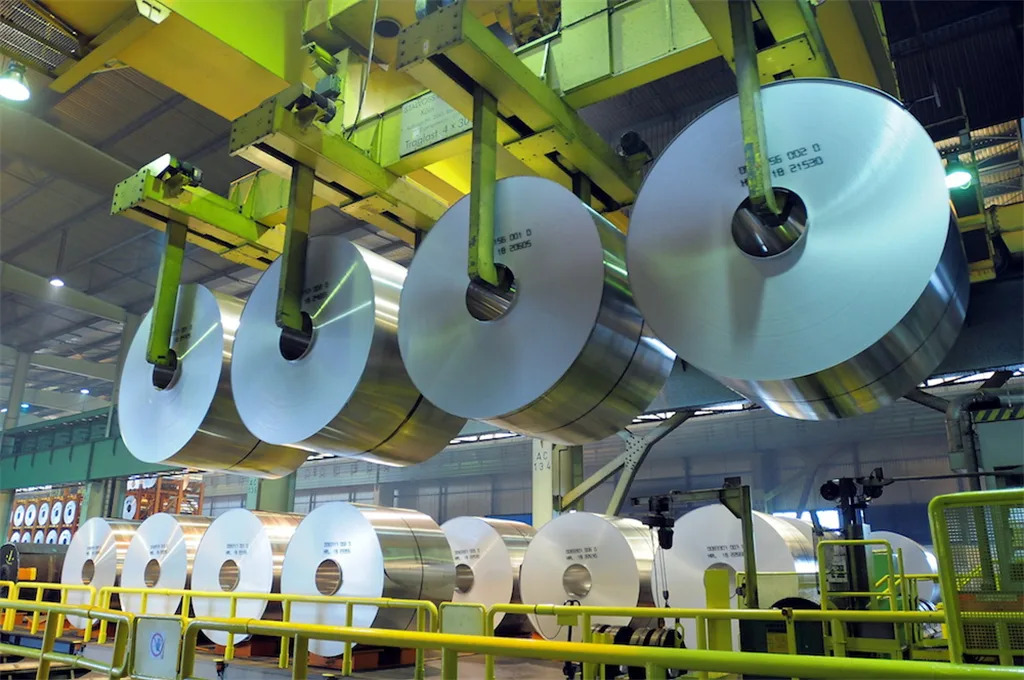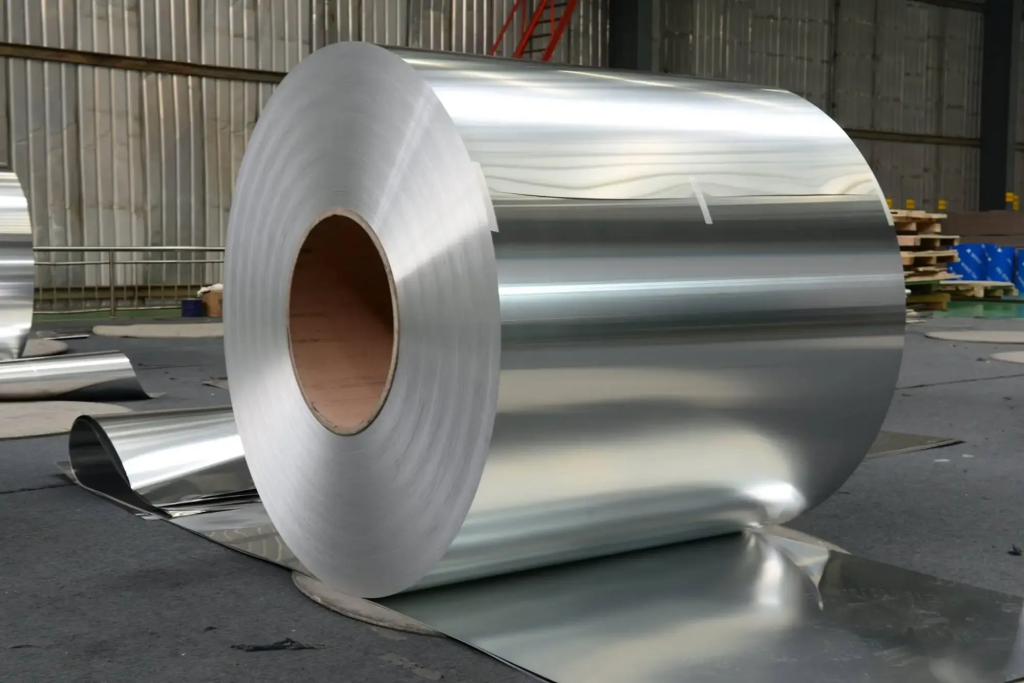
Galvanized coils are steel sheets coated with a layer of zinc. This zinc layer is formed by immersing the steel sheet in a molten zinc bath or by electroplating, enhancing its corrosion resistance. This material is widely used in various industrial sectors, primarily due to its strong corrosion resistance, good surface quality, ease of deep processing, and economic practicality.
Galvanized coils can be classified in various ways, commonly including:
- Hot-dip galvanized coils: These use a continuous galvanizing process, immersing the steel sheet in a molten zinc bath to form a uniform zinc layer, resulting in good corrosion resistance.
- Alloyedized coils: After hot-dip galvanizing, the coil is heated to approximately 500℃ to form a zinc-iron alloy film, improving paint adhesion and weldability.
- Electroplated coils: Manufactured by electroplating, these have a thinner but smoother coating, good workability, but relatively lower corrosion resistance.
- Single-sided and differentially galvanized coils: Single-sided galvanizing involves galvanizing only one side, suitable for welding and painting; differentially galvanizing involves coating the other side with a thin layer of zinc to compensate for the lack of zinc.
- Alloy or Composite Galvanized Coils: These use zinc to form alloy or composite coatings with other metals (such as lead), offering both excellent rust resistance and paintability.
In terms of applications, galvanized coils cover construction, home appliances, automotive, containers, transportation, and agriculture. Specific applications include:
- Construction Industry: Used in steel structure buildings, roofs, exterior wall panels, ventilation ducts, drainage pipes, etc., providing corrosion resistance and structural support.
- Automotive Manufacturing: Used as a material for body parts, chassis, and shells, providing corrosion protection.
- Home Appliance Manufacturing: Used in refrigerator and washing machine shells, kitchen equipment, etc., balancing aesthetics and durability.
- Containers and Transportation: Includes containers, steel silos, railway carriages, highway guardrails, etc., adaptable to harsh environments.
- Other Fields: Such as agriculture and animal husbandry (grain silos, greenhouse frames), power (cable supports), chemical equipment, etc., utilizing its corrosion resistance and processing advantages.